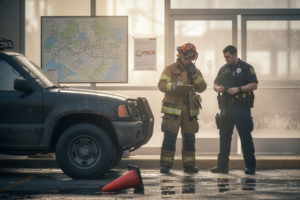


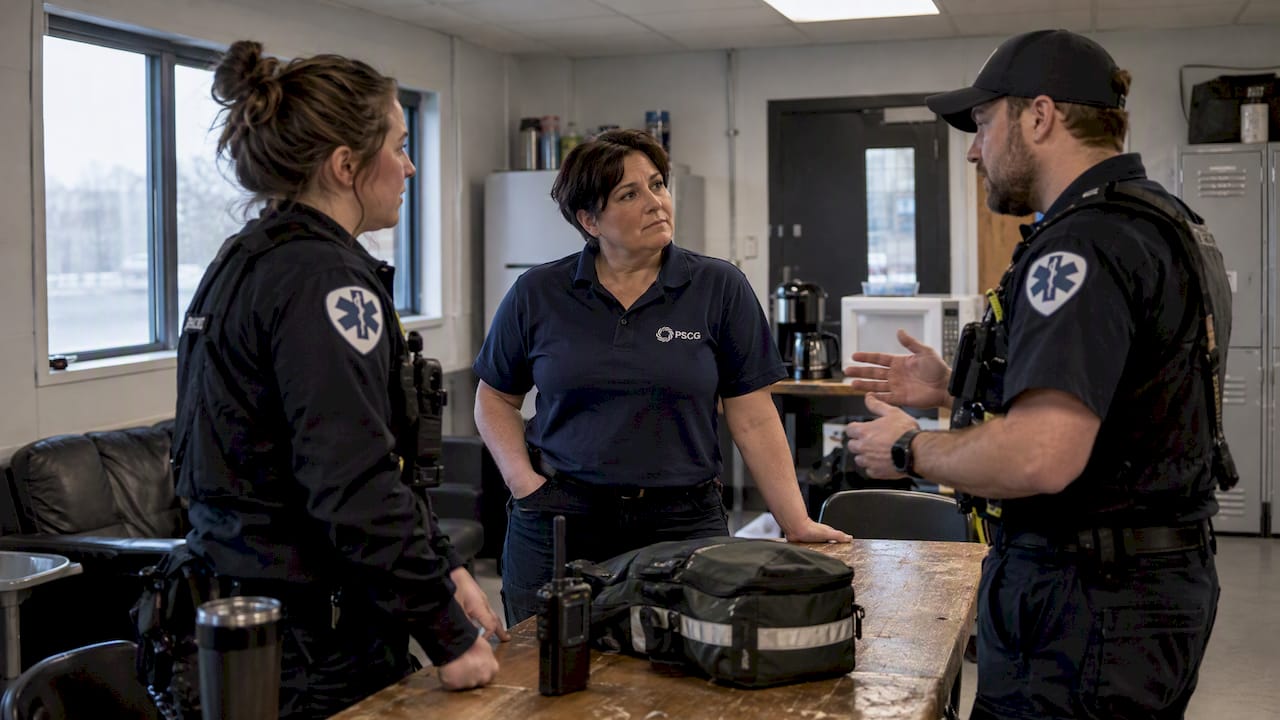
Run a 5 to 15 minute hot wash before your crew leaves the scene or clears the call: set a nonpunitive tone, gather the facts while they’re fresh, name one thing that went well and one thing to change, assign a single owner for follow-up, and flag anyone who needs a private check-in. Attendance should be optional, and the goal is learning, not blame.
TL;DR:
- Conduct a quick, structured hot wash within 5 to 15 minutes at the scene, focusing on facts, strengths, and one improvement, with clear ownership.
- Match debrief format to call severity: on-scene hot washes for immediate issues, longer microdebriefs for moderate cases, and formal AARs for systemic problems or major incidents.
- Use the plus-delta or four-question AAR method to guide discussions, ensuring findings are tracked into the organization’s quality improvement system.
- An effective facilitator employs systems-focused language, balances participation, and keeps the debrief nonpunitive to foster trust and useful follow-up.
- Route all follow-up actions involving equipment, protocols, or staffing into existing quality improvement workflows within 24 hours to ensure accountability.
Table of Contents
- A quick checklist: run a hot wash in 5 to 15 minutes
- Who to include and when: matching format to the call
- A simple framework for structured debriefs: plus-delta and the AAR four questions
- Facilitator skills and organizational follow-through that make debriefs stick
- Scripts you can read aloud: ready-to-use prompts for your next debrief
- When a debrief isn’t enough: red flags and where to send people
- Why immediate debriefs matter: a field perspective
- How PSCG helps agencies turn debriefs into lasting improvement
- FAQ
- Sources
A quick checklist: run a hot wash in 5 to 15 minutes
A hot wash is effective because it’s short, structured, and occurs while memory is still fresh. Crews can typically complete the sequence quickly before the rig returns to service.
- Open with purpose. The lead (often the senior medic or officer on scene) states the timebox and the ground rule: facts and improvement, not fault.
- Collect the facts. Each person briefly states what they saw and did, in order, with no interruptions.
- Name what went well. At least one specific strength, named out loud.
- Name one thing to improve. Just one. More than that gets lost.
- Assign a single owner. One person, one action, one rough deadline.
- Document in one line. Action, owner, due date. Nothing more is needed yet.
- Close on a positive note and flag concerns. The lead checks if anyone needs a private follow-up.
A flagged item that points to equipment, protocol, or dispatch coordination should route to your quality improvement process rather than disappear after the shift ends.
Pro Tip: Keep a laminated card with these seven steps in every rig. A hot wash that requires looking up a process will not happen on a busy shift.
Who to include and when: matching format to the call
Not every call needs the same response. The format should match how serious the incident was and whether the issue is tactical or systemic.
- Hot wash: on-scene crew, immediate, before leaving if possible; include the dispatcher by radio or phone when the call involved real-time coordination.
- Microdebrief: a slightly longer conversation within the shift, for calls that need more than five minutes but don’t require formal paperwork.
- Formal after-action review (AAR): scheduled within days, for incidents with systemic implications such as multi-unit response failures or protocol gaps.
- Critical Incident Stress Debriefing (CISD) or peer-support referral: initiated when a call involved a pediatric death, line-of-duty injury, or visible distress among responders.
Research on pediatric emergency department staff found a clear preference for optional, brief debriefs completed within the shift or within 24 hours, with staff valuing facilitator training and a mix of positive reinforcement and constructive critique. That timing window holds for EMS and fire crews just as well.
A simple framework for structured debriefs: plus-delta and the AAR four questions
Two formats cover almost every situation you’ll face: the plus-delta method for quick tactical reviews, and the After-Action Review four-question model for anything with system-level implications.
Plus-delta asks two things: what worked (plus) and what we’d change (delta). It takes minutes and needs no paperwork beyond a one-line note.
The AAR core structure runs through four questions:
- What was supposed to happen?
- What actually happened?
- Why was there a difference?
- What will we do differently next time?
The FEMA After-Action Review User Guide frames AARs as structured documents meant for system-level learning, not just a conversation that ends when people leave the room. Findings need to convert into tracked actions, especially after major incidents.
| Format | Time needed | Documentation |
|---|---|---|
| Plus-delta hot wash | 5 to 15 minutes | One line: action, owner, due date |
| Formal AAR | Scheduled, often days later | Written report routed to leadership and QI |
A one-line habit, writing down the action, the owner, and the due date, keeps a debrief from becoming a conversation nobody remembers by the next shift.
Facilitator skills and organizational follow-through that make debriefs stick
The quality of a debrief depends more on the facilitator than on the format, which is why using effective leadership tools and practical checklists can enhance facilitator skills. The AHRQ PSNet primer on clinical debriefing describes debriefing as a search for why decisions made sense to the people involved at the time, not an exercise in assigning blame. A trained facilitator asks “what in the system allowed this outcome?” rather than “who missed this?”
A few behaviors separate debriefs that build trust from ones that erode it:
- Use neutral, systems-focused language instead of naming individuals.
- Give everyone roughly equal speaking time.
- Interrupt blame-focused comments immediately and redirect to facts.
- Hold the timebox. A hot wash that runs long stops being a hot wash.
- Keep attendance optional and never force emotional disclosure during a tactical review.
Organizational follow-through matters just as much as the conversation itself. The NIOSH/CDC bulletin on mental health programs in public safety points to trauma-informed leadership and organizational climate as the real drivers of whether debriefing and mental-health resources actually get used. Our team has seen the same pattern across the agencies we work with: a good debrief script matters, but a tracked follow-up list and a leadership culture that treats the delta column seriously matter more.
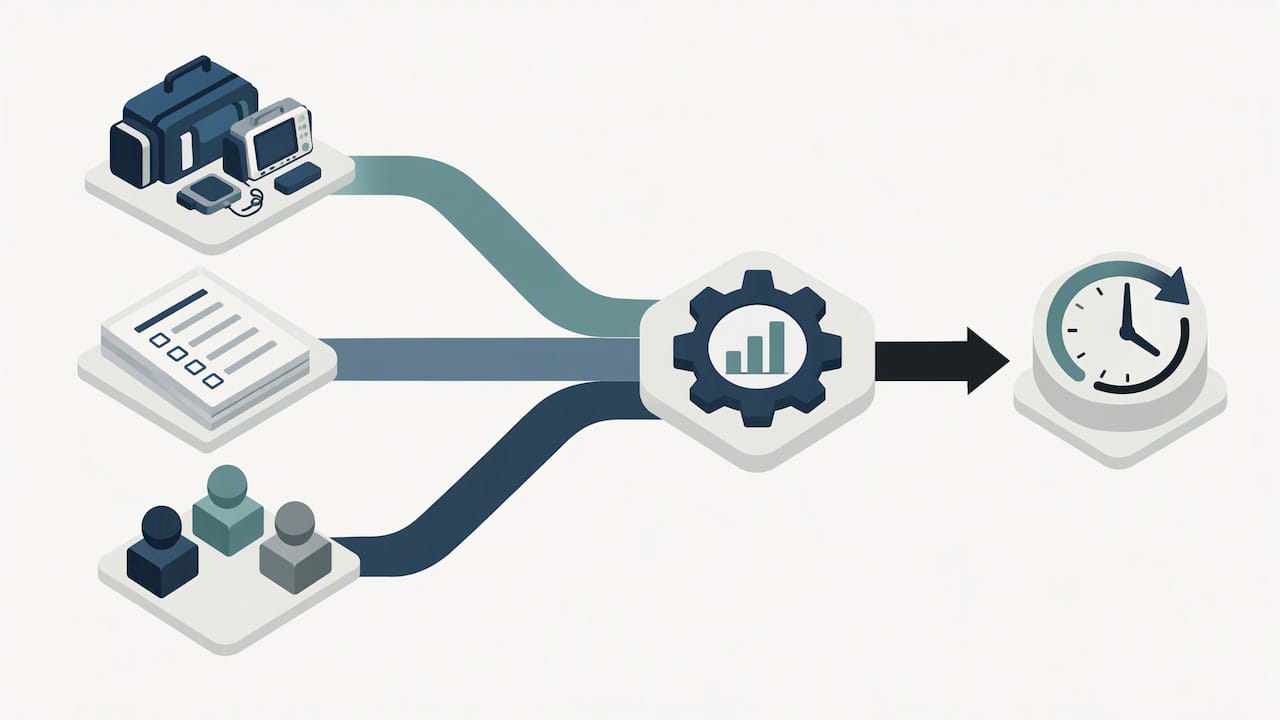
Pro Tip: Route every delta that touches equipment, protocol, or staffing into your existing QI system within 24 hours, before it’s forgotten.
Scripts you can read aloud: ready-to-use prompts for your next debrief
Having exact wording ready removes the awkwardness of starting cold. Try these:
- “This is a quick hot wash, five to ten minutes, no names attached to mistakes.”
- “Walk me through what you saw, in order.”
- “What’s one thing that went well on this call?”
- “What’s one thing we’d do differently?”
- “What was supposed to happen, and what actually happened?”
- “Why was there a gap between the two?”
- “Dispatch, anything from your side we should know?”
- “Is there one action item here, and who’s taking it?”
- “Anyone need a few minutes to talk privately before we clear?”
For documentation, a single line works: action, owner, due date. Including the dispatcher by radio, even briefly, captures communication details the crew on scene may not have, a point echoed in industry guidance on including dispatch in debriefs.
When a debrief isn’t enough: red flags and where to send people
Some reactions need more than a hot wash. Watch for withdrawal, uncharacteristic anger, repeated intrusive thoughts about the call, or a responder who seems unable to function on the next run.
- Pull the person aside privately, away from the group.
- Contact your peer-support team or Employee Assistance Program directly.
- Document the referral without recording clinical details, respecting HIPAA boundaries.
- Arrange a temporary change in duty status if needed.
Research on debriefing after difficult patient encounters notes that short, optional debriefs within the same shift or within 24 hours reduce stress and should be offered to everyone involved, not just those who ask. The 988 Suicide and Crisis Lifeline is a resource worth posting where crews can see it, not just filing away.
Why immediate debriefs matter: a field perspective
A hot wash doesn’t need to be elaborate to change an outcome. I’ve seen a five-minute conversation surface a radio miscommunication that, once flagged and routed to leadership, led to a dispatch protocol fix within the week. That’s the real payoff: not catharsis, but a tracked change that keeps the next crew from hitting the same snag.
— Mike
How PSCG helps agencies turn debriefs into lasting improvement
We built our consulting practice around the gap between a good debrief and a system that actually acts on one. Agencies bring us in because a hot wash script only goes so far without a facilitator trained to keep it nonpunitive and a workflow that routes findings somewhere real.
Our work in this area includes:
- Facilitator training so your supervisors can run a debrief that builds trust instead of fear.
- Dispatch center evaluation to close the loop between field and communications staff.
- Operational risk reduction planning that converts debrief deltas into tracked action items.
- EMS quality improvement consulting to build the workflow that catches what your hot washes surface.
We bring experience and practical tools for public safety agencies rather than theory alone. If your agency wants help building a debriefing program that holds up under a real shift, visit our EMS consulting services page or reach out through our contact page at Thepscgroup to talk through what fits your department.
This article is general information, not a substitute for advice from a qualified doctor. Consult a qualified healthcare professional about your own circumstances before acting on anything here.
FAQ
What are the 5 key points of debriefing?
Most debriefing frameworks cover setting a nonpunitive tone, gathering the facts in sequence, identifying what went well, identifying what to improve, and assigning a clear follow-up action. The exact wording varies by agency, but these five elements show up across most tactical and clinical debriefing models.
What are the 7 steps of debriefing?
A practical hot wash runs through opening with purpose, collecting facts, naming a strength, naming an improvement, assigning an owner, documenting briefly, and closing with a check on anyone needing support. Formal AARs may expand these into more detailed phases, but the core sequence stays the same.
What four questions should be asked during a debrief?
The After-Action Review model asks what was supposed to happen, what actually happened, why there was a difference, and what the team will do differently next time. This structure comes from the FEMA After-Action Review User Guide and works for both tactical and system-level reviews.
What are the three types of debriefing?
Debriefing generally falls into three categories: the immediate hot wash or microdebrief for quick tactical learning, the formal After-Action Review for system-level findings, and Critical Incident Stress Debriefing for processing significant emotional or traumatic events. Each serves a different purpose and should not substitute for the others.
How long should a post-call debrief take?
A hot wash should take 5 to 15 minutes and happen before the crew clears the call when possible. Research on emergency staff preferences supports brief, optional debriefs completed within the shift or within 24 hours over longer sessions scheduled days later.
Sources
- Debriefing for clinical learning | PSNet (AHRQ)
- Tackling mental health challenges in the public safety sector: implementing and evaluating mental health programs | NIOSH (CDC)
- Pediatric Emergency Department Staff Preferences for a Critical Incident Stress Debriefing (CDC/study)
- After-Action Review user guide | FEMA
- Importance of Debriefing After Difficult Patient Encounters | Academic Medicine