


TL;DR:
- Mobile Integrated Healthcare shifts EMS from reactive responses to proactive, patient-centered community care. Successful programs focus on tailored implementation, technology, clear protocols, and strong partnerships, with evidence showing varied but promising outcomes. Leaders investing in foundational planning and compliance are more likely to sustain impactful, long-term MIH services.
Mobile Integrated Healthcare represents one of the most significant structural shifts in emergency medical services in decades. Rather than simply responding to 911 calls and transporting patients, EMS systems are now delivering proactive, patient-centered mobile care that addresses chronic disease, behavioral health, and post-discharge needs directly in the community. For healthcare professionals and community leaders, understanding how Mobile Integrated Healthcare works — and what it takes to make it work well — is no longer optional. It is a prerequisite for building systems that actually reduce cost, improve outcomes, and serve patients where they are.
Table of Contents
- Key takeaways
- Core models of Mobile Integrated Healthcare
- Evidence-based outcomes from MIH programs
- Implementation best practices for MIH programs
- Rural and urban adaptations of MIH programs
- My perspective on where MIH really stands
- How Thepscgroup supports MIH program development
- FAQ
Key takeaways
| Point | Details |
|---|---|
| MIH extends beyond emergency response | Mobile Integrated Healthcare delivers proactive, preventive services that reduce ER visits and hospital admissions. |
| Evidence shows mixed but promising results | Studies confirm high patient satisfaction and strong operational outcomes, though acute-care utilization impacts vary. |
| Reimbursement complexity is real | State Medicaid and MCO contracts govern payment; understanding your specific environment is non-negotiable before launch. |
| Implementation requires 90 to 180 days minimum | Successful programs need personnel, telehealth infrastructure, and community partnerships in place before going live. |
| Program tailoring determines success | Rural and urban adaptations require distinct strategies; one size does not fit all in mobile healthcare delivery. |
Core models of Mobile Integrated Healthcare
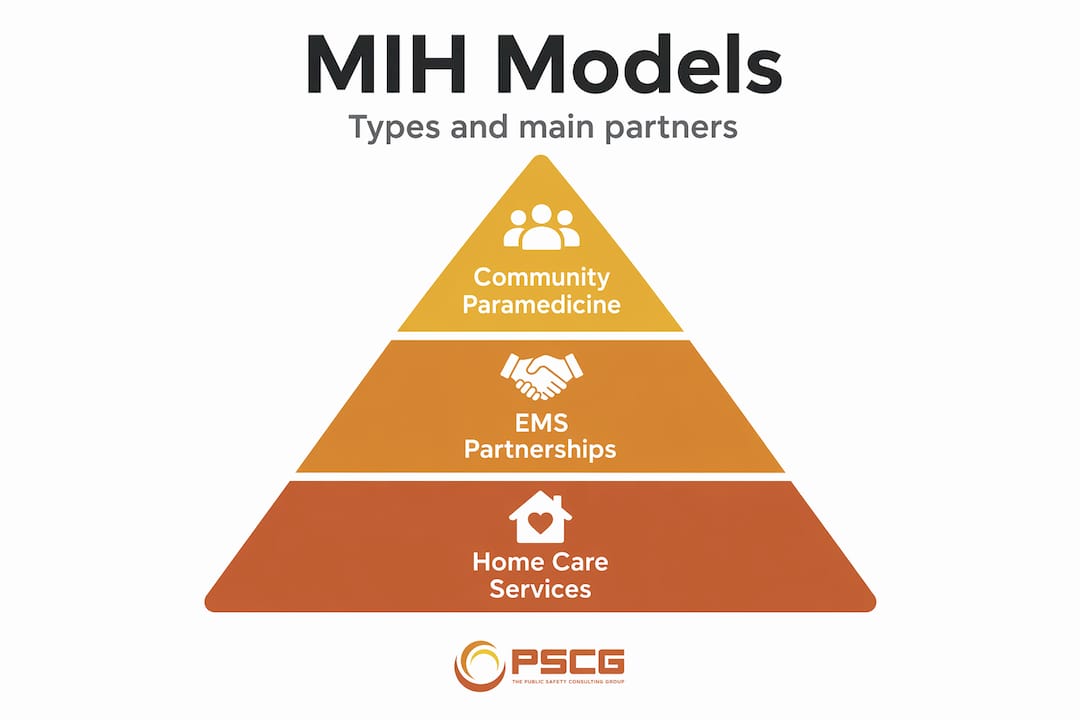
Mobile Integrated Healthcare is not a single program. It is a delivery framework that positions trained EMS and healthcare personnel to provide services that fall outside the traditional emergency call-and-transport model. Community paramedicine sits at the center of most MIH programs, but the scope extends considerably further.
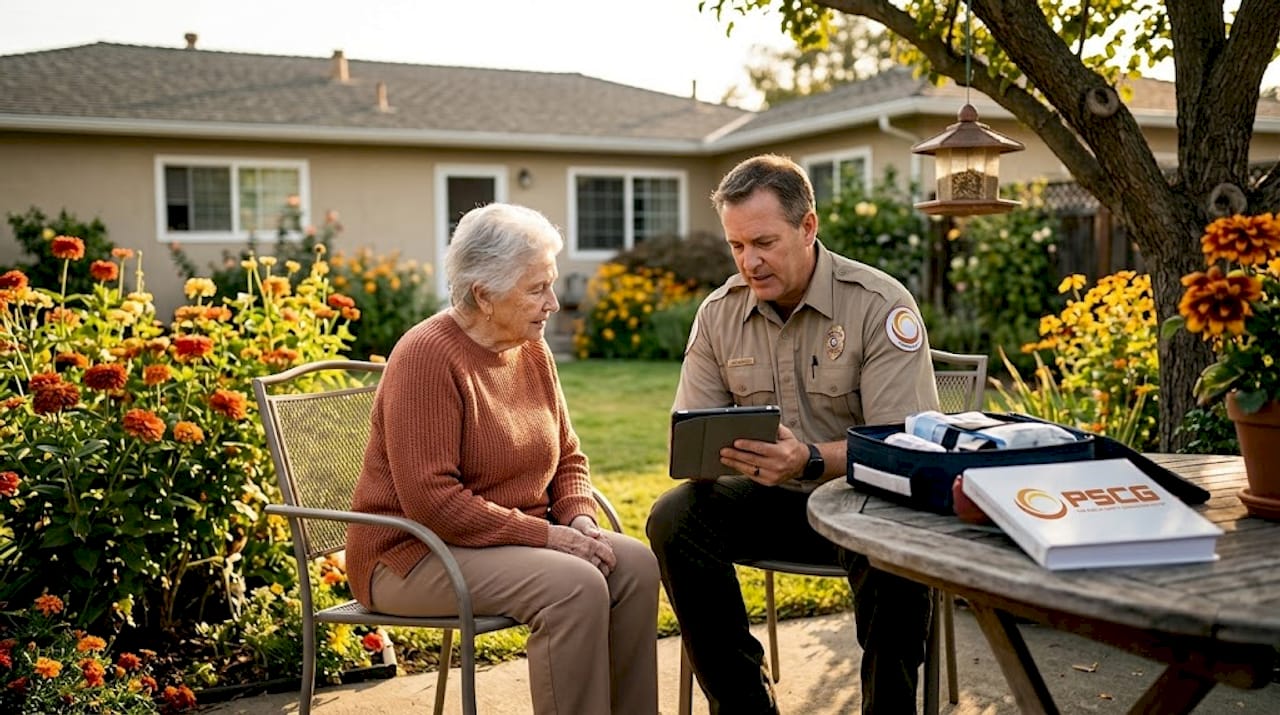
At its core, patient-centered mobile healthcare delivery means meeting patients in their homes, shelters, clinics, or wherever they live and receive care. Common MIH interventions include in-home health assessments, chronic disease monitoring for conditions like diabetes and congestive heart failure, post-discharge follow-up visits, medication reconciliation, and telehealth integration that connects patients with physicians or specialists remotely during a field visit.
The contrast with traditional EMS is important to understand clearly. Traditional emergency response is reactive: a call comes in, a unit responds, and the patient is transported or treated on scene. MIH is proactive. It sends a community paramedic to a high-utilizer’s home three days after hospital discharge, not because something went wrong, but to prevent something from going wrong.
Deployment models vary widely. Some programs operate as standalone units attached to fire-based EMS agencies. Others function as partnerships between hospital systems, primary care networks, and municipal EMS providers. Still others are driven by accountable care organizations looking to reduce readmission penalties. The model that fits your community depends on your local call volume data, existing provider relationships, and reimbursement environment.
| MIH Model Type | Primary Partners | Core Services |
|---|---|---|
| Community Paramedicine | EMS agency, primary care | Chronic disease management, post-discharge follow-up |
| Behavioral Health Response | EMS, mental health agencies | Crisis stabilization, care navigation |
| Hospital-at-Home | Hospital system, EMS | Acute care delivery in the home setting |
| Telehealth-Supported Field Care | EMS, telehealth platform | Real-time physician consultation in the field |
Key personnel in MIH programs typically include community paramedics trained beyond traditional EMT or paramedic scope, registered nurses functioning in field care coordinator roles, social workers embedded in the response team, and medical directors who provide oversight and telehealth consultation. Technology requirements include secure electronic health record access in the field, remote monitoring devices, and reliable telehealth platforms.
Pro Tip: Before selecting a deployment model, audit your existing 911 call data by category. High volumes of behavioral health calls, repeat callers, and post-discharge readmissions tell you exactly where MIH resources will generate the most measurable return.
Evidence-based outcomes from MIH programs
The data on Mobile Integrated Healthcare is compelling, though not uniformly conclusive. That distinction matters for leaders who need to make credible cases to city councils, hospital boards, or state legislators.
The strongest operational outcome on record comes from Oklahoma City. Their MIH program responded to over 5,000 mental and behavioral health-related 911 calls in just 10 months, stabilizing more than 1,500 people in the process. The results were stark: a 58% reduction in repeat calls and a 55% drop in ER visits among those served. For any EMS director or community health leader evaluating return on investment, those numbers are difficult to argue against.
“Mobile Integrated Healthcare programs are not replacing emergency medicine. They are filling a gap that emergency medicine was never designed to fill — the space between crisis and primary care.”
That said, not all findings are as dramatic. A 2026 pragmatic randomized clinical trial examining community paramedicine found that while patient satisfaction increased significantly, the program did not produce a statistically significant reduction in 30-day acute-care utilization compared to usual care. This is not a reason to abandon MIH. It is a reason to design programs with realistic, targeted objectives rather than expecting every intervention to reduce hospitalization rates across the board.
On the regulatory side, CMS extended its Acute Hospital Care at Home program through September 30, 2030. This extension reflects five years of accumulated outcome data and signals sustained federal commitment to home-based care models. MIH leaders should track this closely because it shapes the reimbursement environment and legitimizes mobile healthcare delivery in the eyes of payers and legislators.
One nuance worth understanding: home-based care patients tend to have lower clinical complexity and lower risk scores than inpatient populations. This matters for outcome comparisons and reimbursement, because comparing a home-treated patient to an inpatient without accounting for acuity differences produces misleading data. Any program evaluation that ignores risk adjustment is incomplete.
Pro Tip: When presenting MIH outcomes to leadership or governing bodies, segment your data by patient population and intervention type. Combining all program contacts into a single utilization metric obscures where your program is actually generating impact.
Implementation best practices for MIH programs
Getting Mobile Integrated Healthcare off the ground requires more than enthusiasm and a grant. Leaders who have built programs from the ground up consistently point to the same set of factors that determine whether a program survives its first year or quietly disappears.
Here is a structured framework for approaching MIH implementation:
Define your population and purpose first. Know whether you are targeting frequent 911 users, post-discharge cardiac patients, or underserved rural populations with limited primary care access. Your target population shapes everything else, from staffing to technology to billing codes.
Build the telehealth infrastructure before you need it. Telehealth integration does not happen overnight. Vendor selection, HIPAA-compliant platform setup, EHR access in the field, and physician engagement all require lead time. Most successful programs build in 90 to 180 days of preparation before their first community paramedicine contact.
Establish escalation protocols in writing. One of the most common gaps in MIH programs is the absence of clear, documented protocols for when a community paramedic should escalate care to a higher level. Ambiguity in the field creates risk. Write the protocols, train to them, and audit their use.
Get your documentation right from day one. CMS increasingly relies on HCC coding and risk adjustment to evaluate alternative care models. Poor documentation does not just hurt your data. It creates compliance exposure and undermines reimbursement claims.
Understand your reimbursement environment before you launch. Medicaid coverage for community paramedicine varies significantly by state. Nevada has reimbursed community paramedicine services since 2016, but Medicare does not cover these services nationally, and managed care organization contracts govern actual payment rates in most markets. Know your state’s rules cold before you commit resources.
Build quality improvement into the program design. The programs that outlast initial funding cycles are the ones that generate their own evidence. Establish baseline metrics, collect data consistently, and use 911 data insights and call pattern analysis to adjust your deployment over time.
The common pitfalls are predictable: insufficient patient acuity documentation, unclear escalation chains, and over-reliance on technology without trained personnel to support it. MIH programs that reduce hospital admissions and ER visits consistently share one characteristic. They built operational discipline before they scaled.
Rural and urban adaptations of MIH programs
Mobile Integrated Healthcare does not look the same in rural Montana as it does in metropolitan Chicago. That is not a weakness. It is the model’s greatest strength, because effective MIH bends to the community it serves rather than forcing the community into a standardized protocol.
In rural settings, the advantages of MIH are particularly acute:
- Community paramedics can deliver care directly to patients who face significant transportation barriers, particularly the elderly and those managing multiple chronic conditions.
- Specialty care access is often hours away; telehealth integration allows field providers to connect patients with cardiologists, psychiatrists, or wound care specialists without requiring transport.
- Aging in place support becomes a cornerstone of rural MIH programs, reducing the institutional care burden on families and long-term care facilities.
- Transport cost reduction is significant in rural systems where a single long-distance ambulance transport can strain both the patient financially and the agency operationally.
Urban and suburban MIH programs face a different set of priorities. In dense metro areas, the challenge is less about access and more about coordination. Hospital strain from frequent low-acuity 911 utilization, social determinants of health like housing instability and food insecurity, and fragmented communication between primary care providers and EMS all require active management.
Urban programs tend to benefit from embedding social workers or care coordinators within the MIH team, creating direct referral pathways to community resources, and using data systems that allow real-time visibility into which patients are cycling through the emergency department. Regardless of setting, the programs that generate lasting impact are those that integrate with existing providers rather than operating as isolated silos.
My perspective on where MIH really stands
I have watched Mobile Integrated Healthcare generate genuine excitement across the EMS and public health world, and that enthusiasm is warranted. But in my experience, the gap between what MIH promises on paper and what it actually delivers in the field often comes down to execution discipline, not vision.
The programs I have seen struggle are almost always ones that prioritized technology purchasing and press releases over protocol development and staff training. A telehealth tablet in a paramedic’s bag does nothing without a physician on the other end, a clear use-case protocol, and a trained clinician who knows when to use it and when to call for transport.
What I have learned is that integrated care teams and clearly written protocols matter more than any single piece of equipment. The most effective programs treat documentation and risk adjustment not as administrative burdens but as clinical and financial survival tools. Ignoring compliance and reimbursement complexity does not make it go away. It just means you discover the problem after the program has already committed resources it cannot recover.
I am genuinely optimistic about where MIH is headed, particularly with federal policy moving toward extended support for home-based care models. But the leaders who will capture that opportunity are the ones investing now in the foundational work: the EMS deployment strategy, the community partnerships, and the quality improvement infrastructure that turns promising pilot programs into durable, funded services. Community leaders who treat MIH as a strategic priority rather than a grant-funded experiment will be the ones with programs still running five years from now.
— Mike
How Thepscgroup supports MIH program development
At Thepscgroup, we work directly with municipal EMS agencies, hospital systems, and community leaders who are serious about building Mobile Integrated Healthcare programs that perform. We bring deep expertise in EMS system design, reimbursement strategy, and operational risk reduction to every engagement. Whether you are evaluating whether MIH is the right fit for your community or actively standing up a community paramedicine program, we can help you move with clarity and confidence.
Our team supports clients through program feasibility analysis, staffing and protocol development, telehealth integration planning, and documentation frameworks designed to survive a compliance audit. You can explore practical EMS system design examples that reflect real-world MIH program integration, or review our municipal EMS strategy guide for a broader framework. To connect directly with our consulting team and discuss your specific situation, visit us at thepscgroup.net.
FAQ
What is Mobile Integrated Healthcare?
Mobile Integrated Healthcare is a model in which EMS and trained healthcare personnel deliver proactive, patient-centered services in the community, including chronic disease management, post-discharge follow-up, behavioral health response, and telehealth-supported care. It extends well beyond traditional emergency transport.
How does community paramedicine differ from traditional EMS?
Traditional EMS responds to 911 calls and provides emergency treatment or transport. Community paramedicine is proactive and scheduled, sending trained paramedics to patients’ homes to prevent emergencies before they occur.
Does MIH actually reduce emergency room visits?
The evidence is strong in targeted programs. Oklahoma City’s MIH program reduced ER visits by 55% among behavioral health patients served, though a 2026 clinical trial found no significant reduction in 30-day acute-care utilization across broader community paramedicine populations.
How is MIH reimbursed?
Reimbursement varies by state. Nevada Medicaid covers community paramedicine services, but Medicare does not reimburse these services nationally. Managed care organization contracts and state-specific Medicaid policies govern payment in most markets.
How long does it take to launch an MIH program?
Most programs require 90 to 180 days of preparation before the first patient contact, accounting for personnel training, telehealth infrastructure setup, protocol development, and community partnership agreements.