



Effective public safety advocacy is not just rallies and emails. It is a structured, evidence-based process involving planning, coalition building, and targeted communication. This article outlines actionable steps Connecticut public safety officials can use to engage communities, influence legislators, and drive measurable policy improvements.
Table of Contents
- Selection Criteria And Advocacy Planning
- Coalition Building: Strengthen Advocacy Through Partnerships
- Goal Setting And Messaging: Crafting A Focused Advocacy Agenda
- Community Engagement: Building Trust And Legitimacy
- Legislative Engagement: Using Data And Strategy To Influence Policy
- Communication Tactics: Multi-Channel Outreach For Advocacy Impact
- Monitoring And Evaluation: Measuring Advocacy Success And Adapting Strategies
- Summary Comparison And Situational Recommendations
- Enhance Your Advocacy Impact With The Public Safety Consulting Group
- Frequently Asked Questions
Key takeaways
| Point | Details |
|---|---|
| Effective advocacy starts with problem identification and coalition building | Analyzing specific public safety problems and forming diverse coalitions lays a strong foundation for campaign success. |
| Clear goals and targeted messaging improve campaign focus | Defining measurable outcomes and tailoring messages to policymakers keeps advocacy efforts concentrated and results-driven. |
| Community engagement and data use strengthen legitimacy | Involving impacted communities and using accurate data increases credibility with legislators and mobilizes grassroots support. |
| Multi-channel communication amplifies messages | Combining direct meetings, social media, and public forums broadens reach and reinforces advocacy messages effectively. |
| Regular evaluation ensures adaptability and sustained impact | Monitoring progress every 3 to 6 months allows campaigns to refine tactics and maintain effectiveness over time. |
Selection criteria and advocacy planning
Successful advocacy starts with choosing the right issue. Identifying and analyzing specific public safety problems ensures your efforts target the most impactful areas. In Connecticut, this means focusing on challenges that affect community safety and align with legislative opportunities.
Use evidence-based frameworks like the 7-step advocacy cycle to structure your planning. This approach guides you from problem identification through coalition building, goal setting, and evaluation. Prioritize issues specific to Connecticut’s public safety landscape, whether that’s response times in rural areas or violence prevention in urban centers.
Key prerequisites include:
- Access to accurate crime and demographic data
- Knowledge of relevant stakeholders and community leaders
- Specificity about the problem and desired outcomes
- Understanding of the legislative and budget calendar
Planning sets a clear foundation for focused advocacy. It helps you understand which strategies will work best in your context. Connecticut officials can align advocacy efforts with the EMS strategic planning process to ensure campaigns address real operational needs. Connecting planning to strategic planning public safety readiness further enhances alignment with broader municipal goals. Detailed public safety assessment steps provide the data backbone for informed advocacy decisions.
Pro Tip: Start by gathering baseline data on the public safety challenge you want to address. Numbers speak louder than opinions when you meet legislators.
Coalition building: strengthen advocacy through partnerships
No one succeeds alone in advocacy. Building coalitions with key stakeholders and community leaders significantly increases campaign success. Form coalitions of 3 to 10 senior representatives from organizations like fire departments, hospitals, municipal councils, and community groups.
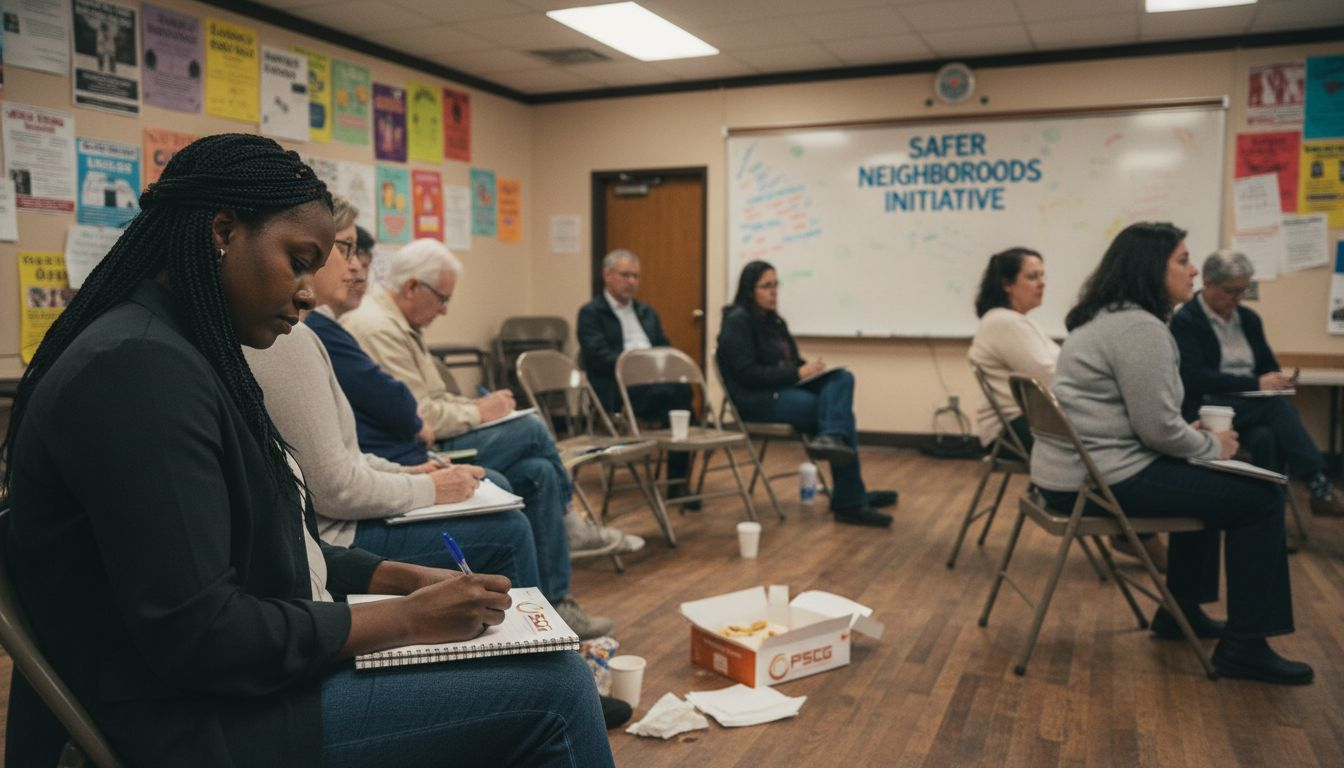
Coalitions create unified advocacy messages that carry more weight with policymakers. They also enhance resource sharing, allowing partners to pool expertise, funding, and volunteer time. Diverse partnerships improve credibility because they demonstrate broad community support and reduce perceptions of narrow self-interest.
Effective coalitions require:
- Regular coordination meetings to align messaging and tactics
- Clear roles and responsibilities for each partner organization
- Transparent communication about goals and progress
- Mechanisms to resolve disagreements constructively
Ongoing coordination fosters sustained engagement. When coalition members see tangible progress, they remain motivated and contribute actively. Stronger coalitions drive stronger campaign impact because they amplify your voice and broaden your reach.
Public safety leadership tips for EMS leaders provide valuable guidance on fostering collaboration and building trust within coalitions. These leadership principles apply directly to advocacy partnerships.
Pro Tip: Identify coalition partners who bring complementary strengths, such as data expertise, media connections, or grassroots organizing experience.
Goal setting and messaging: crafting a focused advocacy agenda
With coalitions formed, define what success looks like. Setting clear, achievable advocacy goals aligned with community needs focuses efforts and resources efficiently. Specify the policy change you seek, the timeline for achieving it, and the measurable outcomes you expect.
Align goals closely with data and Connecticut community priorities. If response times are a concern, your goal might be securing funding for additional ambulances in underserved areas. If violence is rising, you might advocate for community responder programs.
Develop tailored messages for policymakers that emphasize:
- Benefits to public safety and community well-being
- Urgency backed by data and real-world examples
- Feasibility and cost-effectiveness of proposed solutions
- Alignment with legislative priorities and public opinion
Use narratives that engage both legislators and the general public. Stories about real people affected by public safety challenges make abstract statistics tangible. Clear goals and messaging keep advocacy focused and results-driven, preventing mission creep and resource waste.
Connecting goals to the EMS strategic planning process ensures advocacy aligns with operational realities and service delivery improvements.
Community engagement: building trust and legitimacy
Involving impacted communities early and continuously builds trust and advocacy legitimacy. Engagement of impacted communities is essential for robust public safety advocacy. Use consistent outreach methods like town halls, focus groups, and surveys to understand community concerns and priorities.
Implement models like community responders and violence intervention programs to demonstrate tangible commitments to safety. Highlight positive case studies showing measurable improvements. For example, cities adopting community violence intervention programs have seen violent crime drop by 15% or more.
Community engagement strategies include:
- Hosting regular public forums to gather input and share progress
- Partnering with local nonprofits and faith-based organizations
- Using multilingual materials to reach diverse populations
- Creating feedback loops so community voices shape advocacy tactics
Community trust legitimizes advocacy efforts. When residents see their concerns reflected in advocacy messages, they mobilize grassroots support through petitions, letters, and public testimony. Continuous engagement ensures advocacy reflects real needs and gains broader backing, making it harder for policymakers to ignore.
| Engagement Model | Impact Example | Key Benefit |
|---|---|---|
| Community responders | Reduced emergency call volume by 20% | Frees up traditional EMS for critical cases |
| Violence intervention programs | 15% violent crime reduction | Builds community trust and safety |
| Multilingual outreach | 30% increase in diverse participation | Ensures inclusive advocacy |
Customer service principles in EMS offer practical insights into building trust and responsiveness, which directly support community engagement in advocacy.
Legislative engagement: using data and strategy to influence policy
Targeted legislative engagement leverages data and timing for policy impact. Data-driven advocacy improves targeting of legislative efforts and enhances credibility with policymakers. Use accurate crime and demographic data to focus on pressing priorities that legislators care about.
Time advocacy efforts around Connecticut’s legislative sessions, which typically run January through June, and municipal budget cycles in spring. Leveraging legislative sessions and budget cycles as pressure points is an effective tactic to influence public safety policy changes. Coordinate meetings with legislators and organize public forums during these key windows when policymakers are most receptive.
Effective legislative engagement tactics:
- Schedule one-on-one meetings with state representatives and senators
- Provide concise policy briefs with data and proposed solutions
- Organize constituent visits and testimony at public hearings
- Track bill progress and mobilize support at critical decision points
Data-supported arguments boost credibility and increase chances of policy adoption. When you present legislators with clear evidence of a problem and a viable solution, you make their decision easier. Strategic timing amplifies pressure because policymakers face competing demands and limited attention.
Field providers and legislative engagement highlights the vital role frontline responders play in advocacy, bringing firsthand experience that resonates with lawmakers.
Pro Tip: Bring a frontline responder to legislative meetings. Their real-world stories carry unique weight and humanize the data you present.
Communication tactics: multi-channel outreach for advocacy impact
Effective legislative efforts depend on strong messaging amplified across multiple channels. Public safety advocacy campaigns benefit from multi-channel communication strategies including meetings with officials, public forums, and media outreach. Combine direct meetings with social media campaigns to reach different audiences and reinforce your message.
Use press releases, op-eds, and public forums to engage diverse stakeholders. Tailor messaging style and channel to audience characteristics. For example, legislators respond to concise policy briefs, while community members engage more with personal stories and social media posts.
Multi-channel outreach approaches:
- Direct meetings with elected officials and staff
- Social media campaigns on platforms like Facebook, Twitter, and LinkedIn
- Press releases to local newspapers and television stations
- Op-eds in regional publications to shape public opinion
- Public forums and town halls to build grassroots support
Multi-channel outreach enhances message reinforcement and public mobilization. When people hear your message from multiple sources, they perceive it as more credible and urgent. Consistent communication maintains advocacy momentum over time, preventing campaigns from losing steam between key events.
Public safety communication tips for emergency leaders provide actionable strategies for clear, effective messaging that applies directly to advocacy communications.
Monitoring and evaluation: measuring advocacy success and adapting strategies
After deploying communications, monitoring outcomes ensures campaigns remain effective and responsive. Clear monitoring and evaluation mechanisms enable advocacy campaigns to measure success and adapt strategies in real-time. Implement periodic impact evaluations every 3 to 6 months during active campaigns.
Use monitoring results to refine messaging, tactics, and coalition activities. If social media engagement is low, adjust your content strategy. If legislators remain unconvinced, strengthen your data presentation or bring in different coalition voices. Report progress transparently to stakeholders and the public to maintain trust and demonstrate accountability.
Key evaluation steps:
- Define success metrics at the campaign outset, such as bills introduced, media mentions, or community participation rates.
- Collect data regularly using surveys, media monitoring tools, and meeting logs.
- Analyze results to identify what is working and what needs adjustment.
- Share findings with coalition partners and community members.
- Adjust tactics based on evidence and feedback.
Adaptability is key to sustaining advocacy effectiveness over time. Campaigns that rigidly stick to initial plans often miss opportunities or waste resources on ineffective tactics. Regular evaluation helps avoid common pitfalls and optimize resource use.
Advocacy is not a one-time event but an ongoing process that requires continuous learning and adaptation to changing political and community landscapes.
Strategic planning for public safety readiness emphasizes the importance of evaluation and adaptation, principles that apply equally to advocacy campaigns.
Summary comparison and situational recommendations
Each advocacy step offers distinct benefits and requires different resources. Understanding these trade-offs helps you prioritize strategies based on your goals and context.
| Advocacy Step | Effectiveness | Resource Needs | Best For |
|---|---|---|---|
| Problem identification & planning | High | Low to moderate | All campaigns; essential foundation |
| Coalition building | Very high | Moderate | Campaigns needing broad legitimacy and resource pooling |
| Goal setting & messaging | High | Low | Policy-focused campaigns requiring clarity and alignment |
| Community engagement | Very high | Moderate to high | Urban settings; campaigns needing grassroots mobilization |
| Legislative engagement | Very high | Moderate | Policy change efforts; timing-sensitive campaigns |
| Multi-channel communication | High | Moderate | Amplification-focused campaigns with diverse audiences |
| Monitoring & evaluation | High | Low to moderate | All campaigns; ensures sustained effectiveness |
For policy-focused officials, emphasize legislative timing and data-driven arguments. Schedule meetings during budget cycles and provide concise briefs with clear solutions. If legitimacy and broad support are priorities, invest in coalition building and community engagement. These strategies build credibility and mobilize diverse voices.
When amplification is critical but resources are moderate, prioritize multi-channel communication techniques. Use social media, press releases, and public forums to reach different audiences efficiently. Rural settings may benefit more from direct meetings and coalition building, while urban areas often require intensive community engagement to address diverse stakeholder concerns.
Tailor your advocacy mix to your specific context. A campaign for rural EMS funding might emphasize legislative engagement and coalition building with regional hospitals. An urban violence prevention effort would prioritize community engagement and multi-channel communication to mobilize neighborhood support.
Enhance your advocacy impact with The Public Safety Consulting Group
Driving policy change requires expertise and strategic guidance. The Public Safety Consulting Group specializes in helping Connecticut officials design data-driven, community-focused advocacy campaigns.
Explore PSCG’s expertise in strategic planning tailored to public safety advocacy needs. Leverage services like public safety system assessments and EMS response optimization to build evidence-based campaigns. Benefit from professional guidance on legislative engagement and coalition facilitation that strengthens your influence with policymakers. Partner with PSCG to design advocacy strategies that drive measurable improvements in Connecticut’s public safety policies and deliver safer communities.
Frequently asked questions
What are the first steps for Connecticut public safety officials starting an advocacy campaign?
Start by clearly identifying and analyzing the specific public safety problem you want to address, then build a coalition of relevant stakeholders. Use data to guide problem selection and ensure focus on impactful issues that align with legislative opportunities.
How can coalition building improve the success of public safety advocacy?
Coalitions unify messaging and pool resources for greater influence with policymakers and the public. Including diverse community leaders increases credibility and demonstrates broad support, making it harder for legislators to ignore your campaign.
What communication channels are most effective for public safety advocacy in Connecticut?
A mix of direct meetings, public forums, social media, and media outreach works best for reaching different audiences. Tailor your approach to audience preferences, using data briefs for legislators and personal stories for community members to maximize engagement and impact.
How often should advocacy campaigns be evaluated and adjusted?
Evaluate advocacy impact every 3 to 6 months to ensure effectiveness and adapt to changing conditions. Use findings to refine messaging, tactics, and coalition activities based on evidence of what is working and what needs improvement.